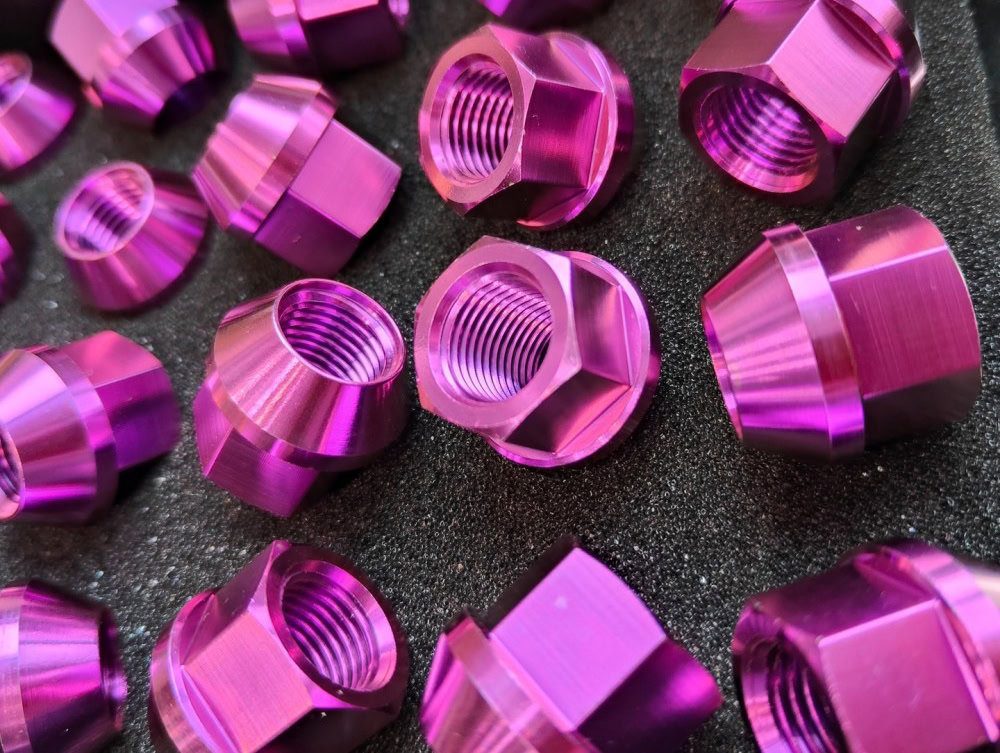
Wstitanium offers high-performance titanium anodes with ISO 9001:2015 certification, specializing in MMO coatings like RuO2 and IrO2 for electrolysis. Their custom parts undergo accelerated life testing (ALT) exceeding 500 hours, meeting ASTM B265 standards for purity and structural integrity. By maintaining a 98% material consistency rate across diverse industrial batches, they ensure predictable electrochemical performance. For detailed specifications and technical support, explore their engineering capabilities at https://wstitanium.com/. This supplier bridges the gap between raw metal fabrication and precise catalytic surface engineering for global electrochemical sectors.
Electrochemical engineers require precise anode parameters to maintain system stability, particularly when substrate geometry dictates current distribution density. High-purity titanium substrates, often sourced to ASTM B265 Grade 1 or 2 specifications, function as the mechanical backbone for these systems. When manufacturers like Wstitanium apply precious metal oxide coatings via thermal decomposition at temperatures between 450°C and 550°C, the resulting surface morphology directly influences electron transfer rates.
The structural integrity of an anode relies on a substrate surface roughness reaching an average Rz value of 15 to 25 micrometers prior to coating application. This specific preparation protocol increases the surface area contact by 300% compared to untreated substrates, providing a robust base for long-term catalytic performance.
Maintaining this surface area consistency allows for more predictable operational voltage drops across large-scale electrolytic cells. Engineers often observe that anodes failing to meet these strict pre-coating standards experience premature coating delamination within the first 1,200 hours of operation. Reliable suppliers utilize automated etching and cleaning lines to ensure that contaminants like iron or organic residues remain below 0.05% by mass before the noble metal oxides are bonded to the surface.
| Parameter Category | Standard Requirement | Wstitanium Specification |
| Substrate Purity | ASTM B265 Grade 1 | > 99.5% Ti |
| Coating Adhesion | ASTM D3359 | 5B Rating |
| Coating Thickness | 1.0 to 10.0 microns | ± 0.5 micron tolerance |
Data indicates that mixed metal oxide (MMO) coatings, specifically those incorporating varying ratios of Iridium and Ruthenium, exhibit different degradation profiles depending on the electrolyte environment. In acidic solutions with a pH below 2.0, an Iridium-rich coating maintains a lower overpotential for chlorine evolution, preventing the oxygen evolution reaction from consuming excessive energy. Achieving this requires precise doping levels, where the noble metal loading is calibrated to handle specific current densities ranging from 500 to 2,000 Amperes per square meter.
Effective anode design extends beyond surface chemistry into the physical flow dynamics of the electrolytic cell. Custom parts often feature perforated geometries or expanded mesh designs that facilitate gas bubble release, a factor that reduces ohmic drop in the electrolyte by as much as 15%. This structural refinement requires advanced CAD modeling to simulate flow paths and current flux distribution during the prototyping phase.
Modular assembly designs allow operators to swap individual anode segments during scheduled maintenance windows, reducing system downtime by approximately 40% in large-scale chlorine production plants. High-precision manufacturing ensures that replacement parts maintain original electrical contact tolerances within a 0.1 millimeter variance.
Testing protocols for these components include accelerated life testing (ALT) performed in highly concentrated sulfuric or hydrochloric acid baths at elevated temperatures. Successful anodes must survive thousands of hours under extreme anodic polarization to prove their durability in harsh industrial conditions. Suppliers consistently documenting these performance metrics provide the necessary transparency for engineers to verify if the components will meet the specific lifespan requirements of their electrochemical installations.
Quality control documentation remains the final hurdle for verifying industrial component compliance. Manufacturers that maintain rigorous ISO 9001:2015 workflows generate comprehensive certificates of analysis for every production batch. These documents track the material origin, coating thickness measurements, and specific electrochemical performance data, providing a verifiable record for project safety audits and long-term operational planning.